











Starting a muscle-building journey doesn’t have to cost a fortune. Many beginners mistakenly think they need an expensive gym membership or high-end equipment to build strength. However, you can get effective results with budget-friendly tools that are often just as efficient. By focusing on simple, versatile equipment like resistance bands, dumbbells, and bodyweight exercises, anyone can start working toward their fitness goals without breaking the bank.
Start with Bodyweight Exercises
Bodyweight exercises are one of the most affordable ways to build muscle. You don’t need any equipment to get started, and the exercises are highly effective for building strength. Push-ups, squats, lunges, planks, and dips all engage multiple muscle groups, providing a full-body workout. Over time, you can modify these exercises to increase their intensity.
For example, incline push-ups or one-legged squats can increase the difficulty level as you get stronger. The best part? These exercises can be done anywhere, saving you the cost of a gym membership or bulky equipment.
Dumbbells: A Staple in Any Home Gym
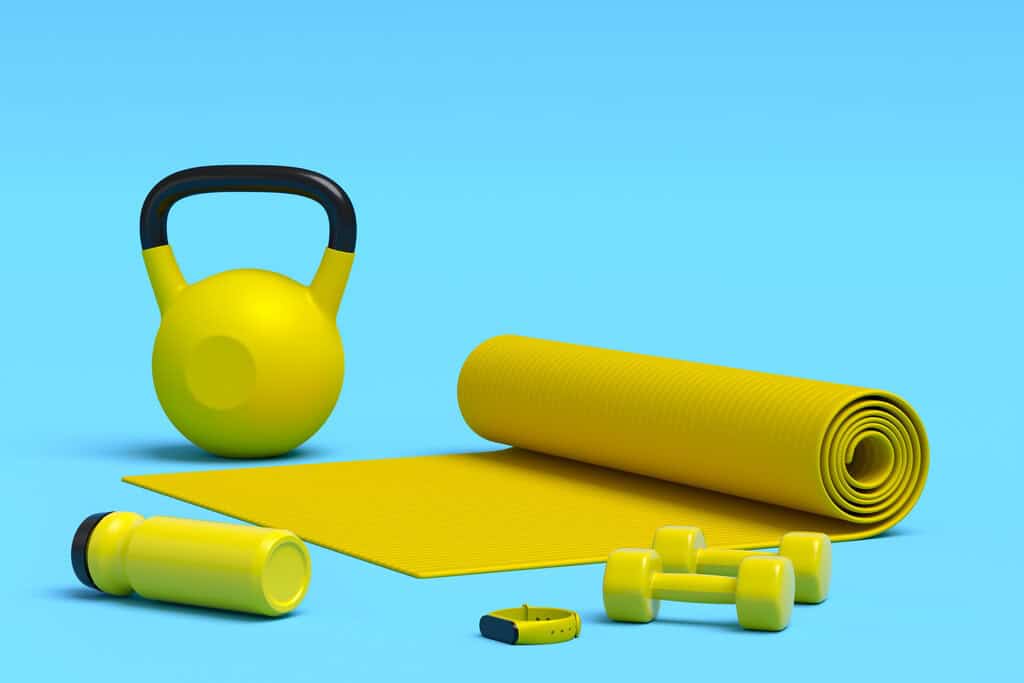
Dumbbells are a classic piece of equipment that should be part of every beginner’s home gym. For those just starting out, beginner dumbbells are a great choice. They are relatively affordable and come in a wide range of weights, allowing you to gradually increase your strength. Dumbbells can be used for a variety of exercises, including bicep curls, chest presses, deadlifts, and shoulder raises, making them a versatile addition to your fitness routine.
When you’re just starting out, a set of adjustable dumbbells might be a great option. These sets often allow you to add or remove weight as needed, providing versatility while saving space and money in the long term. It’s important to start with lighter weights and gradually increase as your strength improves.
Resistance Bands: Affordable and Versatile
Resistance bands are an excellent choice for beginners who want to enhance their strength training without spending a lot of money. These elastic bands come in various resistance levels, making them suitable for all fitness levels. They are also highly portable, allowing you to workout at home or take them on the go.
You can use resistance bands for exercises such as bicep curls, shoulder presses, squats, and chest presses. They provide continuous tension throughout the range of motion, helping to build muscle and improve flexibility. Many brands offer a set of resistance bands at a fraction of the cost of dumbbells or other gym equipment.
Kettlebells: Dynamic and Effective
Kettlebells are another budget-friendly option that provides a dynamic approach to strength training. These versatile weights can be used for traditional exercises like squats, presses, and swings, but they also allow you to perform functional movements that engage multiple muscle groups at once.
While kettlebells might initially seem intimidating, beginners can start with lighter weights and gradually progress. Because of their shape, kettlebells encourage fluid, full-body movements, making them an excellent choice for building strength and improving cardiovascular health simultaneously.
Using Household Items as Weights
If you’re truly looking to save, consider using household items as makeshift weights. Water bottles, backpacks filled with books, or even bags of rice can serve as alternatives for dumbbells or kettlebells. While they may not be as ideal as professionally designed equipment, they can still help you perform a variety of exercises that target multiple muscle groups.
For example, you can fill a backpack with heavy items, wear it while doing squats, or hold it for extra resistance during lunges. These everyday items can help you add weight to bodyweight exercises, enhancing the difficulty without the need for expensive gear.
Prioritize Consistency and Progression
No matter which equipment you choose, the key to building muscle on a budget is consistency. Aim to exercise several times a week, focusing on different muscle groups with each session. Progressive overload is also important for muscle growth, meaning you should gradually increase the resistance or difficulty of your exercises as you get stronger.
This can be achieved by increasing the number of reps, adding more weight (with your bands or dumbbells), or switching to more challenging variations of exercises. Progressing over time will keep your muscles challenged and help you see results.
Take Advantage of Online Resources
Another way to build muscle on a budget is by utilizing free online resources. There are countless workout videos, apps, and guides available for beginners, many of which don’t require costly equipment. Whether you’re using bodyweight exercises, resistance bands, or dumbbells, you can find effective routines for any fitness level. These resources can guide you through proper form, techniques, and different workout splits, ensuring that your muscle-building efforts are both safe and efficient.
Don’t Forget Recovery
Building muscle is not just about working out; recovery plays an essential role in the process. Rest is crucial for muscle repair and growth, so be sure to allow your body adequate recovery time between workouts. A solid diet with enough protein, healthy fats, and carbs will also fuel your body’s muscle-building efforts.
Additionally, incorporating stretching, yoga, or foam rolling into your routine can help maintain flexibility and prevent injury, ensuring that you stay on track with your muscle-building journey.
Building Muscle on a Budget is Possible
Building muscle doesn’t require spending a lot of money on high-end equipment or expensive gym memberships. By using affordable tools like resistance bands, dumbbells, and bodyweight exercises, beginners can start making progress toward their fitness goals. With a focus on consistency, gradual progression, and making the most of budget-friendly options, you can achieve significant strength gains without breaking the bank.


Leave a Reply