















Choosing the right generator for outdoor use can be a crucial decision for many. Petrol and diesel generators each offer unique advantages and disadvantages for various outdoor applications. For most outdoor uses, petrol generators tend to be the preferred choice due to their lighter weight, lower initial cost, and easier maintenance.
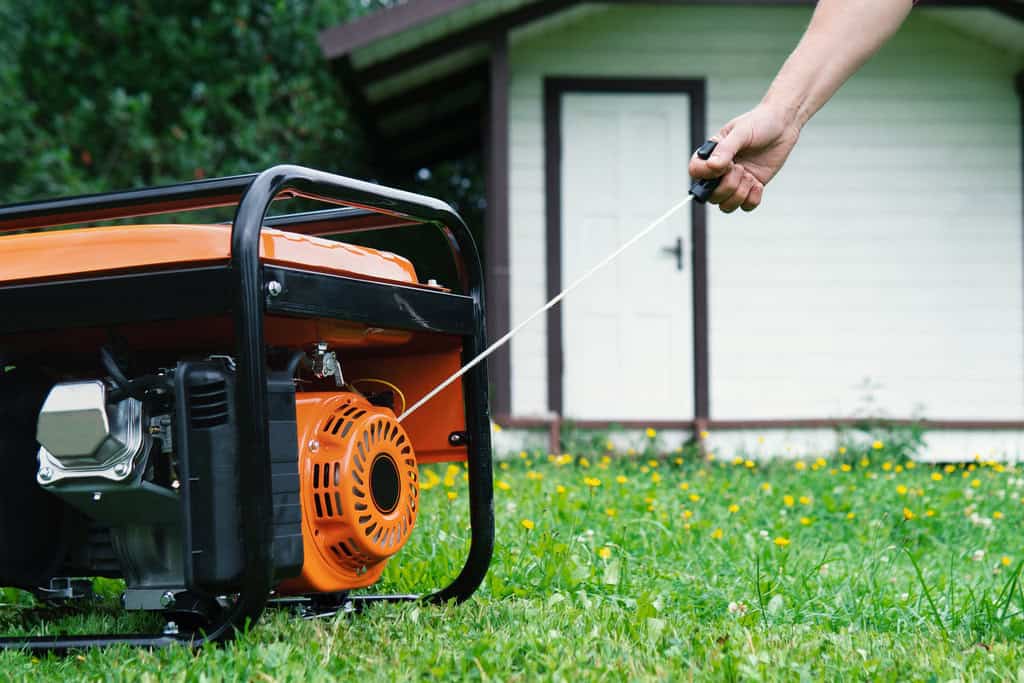
Petrol generators are generally more suitable for short-term, portable power needs, especially in recreational or emergency scenarios. Their quieter operation and ease of use make them ideal for camping trips, outdoor events, and small-scale work sites. For example options like Jono & Johno petrol generator provide reliable performance without the burden of heavy transportation or complex fuel management. However, diesel generators might still be a better choice for long-term or more intensive power requirements due to their fuel efficiency and durability.
Additionally, when selecting a generator for outdoor use, factors such as power output, fuel availability, noise levels, and environmental impact should be considered. Petrol generators often provide sufficient power for most recreational and light-duty needs, while diesel generators are better suited for industrial or large-scale outdoor projects that require continuous power supply.
Key Takeaways
- Petrol generators are generally more suitable for portable outdoor use due to their lighter weight and lower cost
- Diesel generators offer better fuel efficiency and longevity for heavy-duty outdoor applications
- Consider power requirements, fuel availability, and environmental factors when choosing a generator for outdoor use
Analyzing Generator Types for Outdoor Use
Selecting the right generator for outdoor use requires careful consideration of fuel types, power output, and specific needs. Petrol and diesel generators each offer distinct advantages and drawbacks for various outdoor applications.
Understanding Petrol Generators
Petrol generators are popular for outdoor activities due to their lightweight design and ease of use. They typically start quickly and run smoothly, making them ideal for camping trips or outdoor events. Petrol generators are often more affordable upfront and come in a wide range of sizes.
The Honda EU2200i is a prime example of a reliable petrol generator known for its quiet operation and fuel efficiency. Petrol generators generally have smaller fuel tanks, which can be a limitation for extended use. They require regular maintenance and produce higher emissions compared to diesel models.
Pros:
- Lightweight and portable
- Lower initial cost
- Wide availability of fuel
- Quieter operation
Cons:
- Shorter lifespan
- Higher fuel consumption
- More frequent maintenance
The Mechanics of Diesel Generators
Diesel generators are renowned for their durability and efficiency, making them suitable for heavy-duty outdoor applications. These generators have a longer lifespan and can run continuously for extended periods, making them ideal for construction sites or remote locations.
Diesel engines are more fuel-efficient than petrol engines, consuming less fuel per kilowatt-hour of electricity produced. They also have larger fuel tanks, allowing for longer run times between refueling. Diesel generators typically offer higher power output, making them suitable for powering multiple high-wattage appliances simultaneously.
Key Features:
- Higher fuel efficiency
- Longer operational life
- Greater power output
- Larger fuel capacity
However, diesel generators are often heavier and less portable than their petrol counterparts. They also tend to be louder and have a higher initial cost.
Evaluating Power Needs and Generator Capacities
Assessing power requirements is crucial when choosing a generator for outdoor use. Consider both running watts and starting watts of the devices you plan to power. Running watts represent the continuous power needed, while starting watts account for the initial surge required by some appliances.
Petrol generators typically range from 1,000 to 10,000 watts, suitable for light to medium outdoor use. Diesel generators often start at 5,000 watts and can go up to 50,000 watts or more, catering to heavy-duty applications.
Power Estimation Table:
| Appliance | Running Watts | Starting Watts |
| Refrigerator | 600 | 2,200 |
| Power Tool | 1,000 | 3,000 |
| Air Conditioner | 1,500 | 4,500 |
Choose a generator with a capacity that exceeds your total power needs to ensure reliable performance.
Alternative Fuel Options and Hybrid Systems
Beyond petrol and diesel, alternative fuel options are gaining popularity for outdoor generator use. Propane generators offer clean-burning fuel with longer shelf life, ideal for occasional use. Dual-fuel generators provide flexibility, allowing users to switch between gasoline and propane.
Solar generators are emerging as eco-friendly options for outdoor enthusiasts. They harness solar energy, store it in batteries, and provide clean, silent power. While they have limited capacity compared to fuel-powered generators, they’re excellent for small electronic devices and light outdoor use.
Natural gas generators, though less common for portable use, offer a clean-burning alternative with lower emissions. They’re often used as standby power sources for outdoor events or remote locations with natural gas connections.
Generator Considerations for Specific Outdoor Applications
Selecting the right generator for outdoor use depends on the specific application and environment. Power requirements, noise levels, portability, and fuel efficiency are key factors to consider.
Generators for Camping and Recreational Activities
Camping and outdoor recreation call for compact, lightweight generators with quiet operation. Inverter generators are ideal for these activities due to their portability and low noise levels.
Most campers prefer generators in the 1000-3000 watt range. These provide enough power for essential devices like lights, fans, and small appliances.
Look for models with multiple outlets to charge electronic devices. Some inverter generators offer USB ports for convenient smartphone charging.
Fuel efficiency is crucial for extended trips. Many camping generators can run for 8-10 hours on a single tank at 25% load.
Consider generators with eco-mode features. These adjust engine speed based on power demand, conserving fuel and reducing noise.
Selecting Generators for Outdoor Events
Outdoor events require reliable power sources that can handle varying loads. Generator size depends on the event’s scale and power needs.
For small gatherings, a 3000-5000 watt portable generator may suffice. Larger events might need 10,000 watts or more.
Noise levels are crucial for events. Look for models with sound-dampening technology to minimize disruption.
Fuel type is an important consideration. Propane generators are popular for events due to clean-burning fuel and easy storage.
Consider generator hire for one-off events. This option provides access to professional-grade equipment without the long-term investment.
Parallel capability is useful for events. This feature allows connecting multiple generators for increased power output when needed.
Generators for Construction Sites and Professional Use
Construction sites demand robust, high-output generators capable of powering heavy-duty equipment. Diesel generators are often preferred for their durability and fuel efficiency.
Look for models with 5000-10,000 watts or more, depending on site requirements. Some jobs may need generators exceeding 20,000 watts.
Jobsite generators should have multiple 120V and 240V outlets to power various tools simultaneously.
Durability is key in harsh environments. Opt for generators with sturdy frames and protective features like GFCI outlets.
Fuel efficiency matters for long workdays. Diesel generators typically offer better runtime and lower fuel consumption than petrol models.
Consider models with electric start for convenience. This feature is especially useful in cold weather conditions.
Conclusion
Both petrol and diesel generators have advantages for outdoor use. Petrol generators are lighter, more portable, and easier to maintain. Diesel generators offer better fuel efficiency and longer run times. The best choice depends on specific needs like power requirements, frequency of use, and budget. Carefully weighing these factors will help determine the ideal generator for outdoor applications.


Leave a Reply