

















Wisdom teeth are the last set of molars that appear in late adolescence or early adulthood. Positioned at the very back of the mouth, these teeth were essential for our ancestors, who needed extra chewing power to process a diet rich in raw plants and meat. However, with the evolution of our diet and dental structure, wisdom teeth have become somewhat redundant and can often cause a range of dental issues.
One of the most common problems associated with wisdom teeth is impaction. This occurs when there isn’t enough room in the mouth for the teeth to grow correctly, leading to partial or complete impaction. Impacted wisdom teeth can give rise to pain, swelling, infection, and damage to adjacent teeth. In many cases, the best solution to these issues is the removal of the wisdom teeth to avoid more complications and maintain oral health.
What is Wisdom Tooth Impaction?
Wisdom tooth impaction occurs when a wisdom tooth fails to fully grow through the gums due to a lack of space or improper alignment. This can result in the tooth being partially or completely trapped beneath the gum line. Impacted wisdom teeth can result to pain, swelling, infection, and damage to adjacent teeth.
In contrast, non-impacted wisdom teeth emerge through the gums normally and align correctly with other teeth in the mouth. These teeth typically do not cause any significant issues and can function like any other molar. However, due to modern dental structure and dietary habits, it is common for wisdom teeth to become impacted, necessitating their removal to prevent further complications.
Types of Wisdom Tooth Impaction
Wisdom teeth can be impacted in different ways, each presenting unique challenges and requiring different treatment approaches:
- Partially Erupted: This type of impaction occurs when the wisdom tooth partially breaks through the gum but doesn’t fully emerge. The exposed part of the tooth is vulnerable to plaque buildup, leading to gum infection, pain, and swelling.
- Soft Tissue Impaction: In this scenario, the wisdom tooth remains covered by gum tissue without breaking through. This can lead to gum irritation, inflammation, and an increased risk of infection, as food debris and bacteria can get trapped around the tooth.
- Bony Impaction: Here, the wisdom tooth is embedded in the jawbone and doesn’t emerge at all. This type of impaction can cause significant pain and may require more complex surgical removal since the tooth is encased in bone.
- Horizontal Impaction: The wisdom tooth grows horizontally, pushing against the adjacent molar. This can cause acute pain, and damage to the nearby teeth and even affect the alignment of the entire dental arch. Horizontal impaction often necessitates removal to prevent further complications.
Symptoms of Wisdom Tooth Impaction
Wisdom tooth impaction can cause a variety of symptoms, which often indicate the need for evaluation and potential removal.
Here are some common symptoms associated with impacted wisdom teeth:
- Pain and Discomfort: One of the most general symptoms is persistent pain and discomfort at the back of the mouth. This pain can be dull and throbbing or sharp and intense and may radiate to the surrounding areas.
- Swelling and Redness of the Gums: Impacted wisdom teeth can lead to swollen and inflamed gums. The area around the affected tooth may become red and tender to the touch, indicating irritation or infection.
- Bad Breath or Unpleasant Taste: Impaction can create pockets where bacteria thrive, leading to bad breath and an unpleasant taste in the mouth. This is often a result of trapped food particles and bacterial growth around the impacted tooth.
- Difficulty Opening the Mouth: Some individuals experience difficulty opening their mouth fully or experience pain when doing so. This can interfere with eating, speaking, and maintaining oral hygiene.
- Jaw Pain: The pressure from an impacted wisdom tooth can cause jaw pain, which may extend to the ear and neck. Chewing or biting often exacerbates this discomfort.
- Infection: In severe cases, the impaction can lead to an infection known as pericoronitis. Symptoms of infection include fever, swollen lymph nodes, and pus discharge from the gum area. An infected wisdom tooth requires prompt medical attention to prevent further complications.
Treatment Options for Wisdom Tooth Impaction
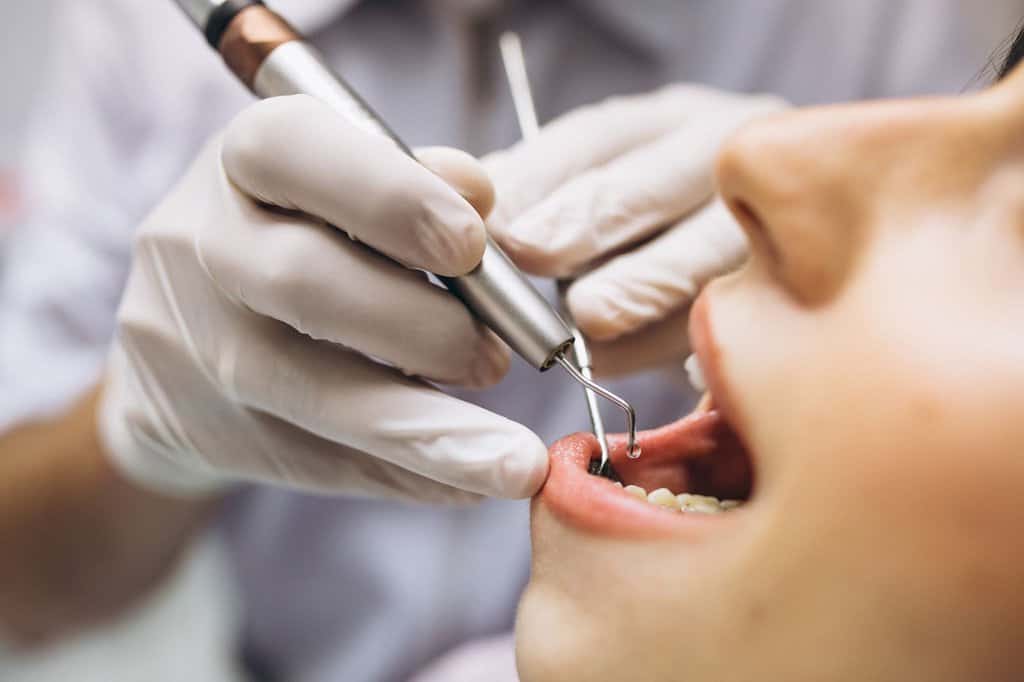
Treatment options for wisdom tooth impaction vary depending on the severity of the impaction and the symptoms experienced.
Here are the main approaches to managing impacted wisdom teeth:
- Observation: For asymptomatic wisdom teeth that are not causing any issues, a “wait and see” approach may be recommended. Regular dental check-ups and X-rays can help observe the teeth for any changes or emerging problems. This approach is often taken when the impacted teeth are not causing pain, infection, or damage to adjacent teeth.
- Dental Cleaning: For partially erupted wisdom teeth, dental cleaning can help manage symptoms and prevent infection. Special attention is given to cleaning around the partially erupted tooth to remove plaque and food particles. This helps lessen the risk of gum disease and cavities in the area.
- Wisdom Tooth Extraction: The most common and definitive treatment for impacted wisdom teeth is extraction. This surgical procedure involves removing the impacted tooth to alleviate pain, prevent infection, and avoid damage to nearby teeth. Extraction is often recommended when the tooth is causing significant symptoms or has a high potential for future problems.
- Dental Treatment: In some cases, a dental treatment may be considered to create space for the impacted wisdom tooth. This approach is less common and typically used when the impaction is causing alignment issues or crowding. Dental devices, such as braces, can help reposition the teeth to allow for proper eruption of the wisdom tooth.
When to Seek Professional Help
If you suspect wisdom tooth impaction, it’s crucial to consult a dentist promptly. Early diagnosis and treatment can ward off more serious complications and maintain oral health.
Here are key reasons to seek professional help:
- Accurate Diagnosis: A dentist can accurately diagnose wisdom tooth impaction through a clinical examination and X-rays. This ensures the correct identification of the problem and appropriate treatment planning.
- Pain Management: Impacted wisdom teeth can cause significant pain and discomfort. A dentist can provide pain relief through medications or recommend the best course of action to alleviate symptoms.
- Preventing Infection: Untreated, impacted wisdom teeth can lead to infections, such as pericoronitis. Early intervention by a dentist can avoid the spread of infection and the need for more extensive treatment.
- Avoiding Damage to Adjacent Teeth: Impacted wisdom teeth can exert pressure on neighbouring teeth, leading to crowding, misalignment, or damage. Professional assessment and timely removal can prevent these complications.
- Reducing Risk of Cysts and Tumors: In rare cases, impacted wisdom teeth can result to the formation of cysts or tumours in the jaw bone. Regular dental visits can help detect such issues early and prevent severe outcomes.
- Customised Treatment Plan: A dentist can create a personalised treatment based on the specific type and severity of the impaction. This may include extraction, treatment, or other interventions tailored to your needs.
- Long-Term Oral Health: Consulting a dentist ensures that you receive professional advice and care to maintain long-term oral health. Regular check-ups and appropriate treatment for impacted wisdom teeth can prevent future dental problems.
Conclusion
Wisdom tooth impaction occurs when third molars fail to fully grow due to lack of space or misalignment, leading to pain, infection, and potential damage to adjacent teeth. There are various types of impaction, including partially erupted, soft tissue, bony, and horizontal impaction, each requiring specific attention. Common symptoms include pain, swelling, bad breath, difficulty opening the mouth, jaw pain, and infection.
Recognising and addressing wisdom tooth impaction early is essential for preventing severe dental issues and maintaining overall oral health. Regular dental checkups and prompt treatment can help manage symptoms and avoid long-term complications.


Leave a Reply