

















Our eyes are incredibly important, giving us the ability to see and appreciate the world around us. Despite their significance, we often neglect proper eye care in our daily lives. With the rise in digital device usage and exposure to various environmental factors, it is essential to adopt healthy habits to protect our vision. So,practical tips and advice are offered to help you maintain good eye health and prevent potential vision problems.
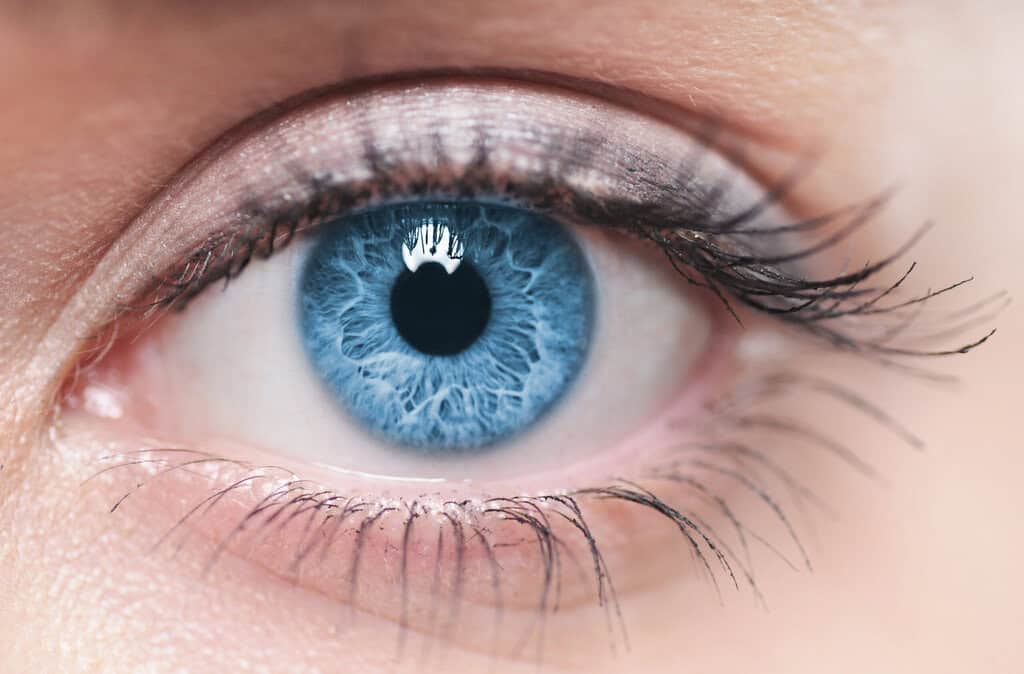
Protect Your Eyes from Digital Strain
In the modern world, many of us spend a significant amount of time in front of screens, whether it is for work, study or entertainment. This screen exposure can cause digital eye strain, which includes symptoms like dry eyes, headaches, blurred vision and neck and shoulder pain. In order for you to combat these issues, follow the 20-20-20 rule: every 20 minutes, take a 20-second break to look at something 20 feet away. Adjust your screen’s brightness and contrast to comfortable levels and use blue light filters to minimize glare. Ensure your screen is positioned at eye level and about an arm’s length away. Additionally, make sure your workspace is well-lit to reduce eye strain.
Maintain a Healthy Diet for Optimal Vision
What you eat has a significant impact on your eye health. Nutrients such as omega-3 fatty acids, lutein, zinc and vitamins C and E can help prevent age-related vision problems like macular degeneration and cataracts. Include a variety of foods in your diet, such as leafy greens like spinach, fish rich in omega-3s like salmon and colorful fruits and vegetables like carrots, oranges and berries. These foods are full of antioxidants that protect your eyes from harmful free radicals. Staying hydrated by drinking plenty of water also helps maintain the moisture balance in your eyes, preventing dryness and irritation. In the same vein, you can have with you eye drops from fotopharmacy.com.
Schedule Regular Eye Exams
Regular eye exams are essential for detecting vision problems early and maintaining overall eye health. Many eye conditions, such as glaucoma and diabetic retinopathy, can develop without noticeable symptoms until significant damage has occurred. For example, you may need cataract surgery. An eye exam can detect these issues early, allowing for timely treatment. Adults should have a comprehensive eye exam every two years, or more frequently if recommended by an eye care professional.Regular check-ups ensure that any vision changes are monitored and managed effectively.
Practice Good Eye Hygiene
Maintaining proper eye hygiene is crucial to avoid infections and irritations. Always wash your hands thoroughly before touching your eyes or handling contact lenses. If you wear contact lenses, follow the recommended guidelines for their use, cleaning and storage. Avoid wearing contact lenses longer than prescribed and replace them as directed to prevent infections. When removing makeup, be gentle and ensure all residue is cleared to prevent clogging of the oil glands around the eyes. Regularly clean your makeup brushes and replace old cosmetics to avoid bacterial contamination.
Protect Your Eyes From The Sun
Wearing sunglasses with UV lenses is a great way to protect your eyes from sun damage. You can buy prescription sunglasses if you require them too.
Taking care of your eyes is crucial for enhancing your quality of life and preventing future vision problems. Remember, your eyes are a precious asset and treating them with care today will benefit you for years to come.


Leave a Reply