















Seeing your child sick is never easy. Runny noses, coughs, and fevers can quickly turn a happy household upside down. But here’s the good news: most common childhood illnesses are mild and resolve on their own with a little TLC (tender loving care) from you.
This guide equips you with the knowledge to navigate some of the most common childhood illnesses. You’ll learn about symptoms, causes, prevention tips, and home remedies. Remember, this information is for general understanding only. If you’re concerned about your child’s health, always consult a paediatrician.
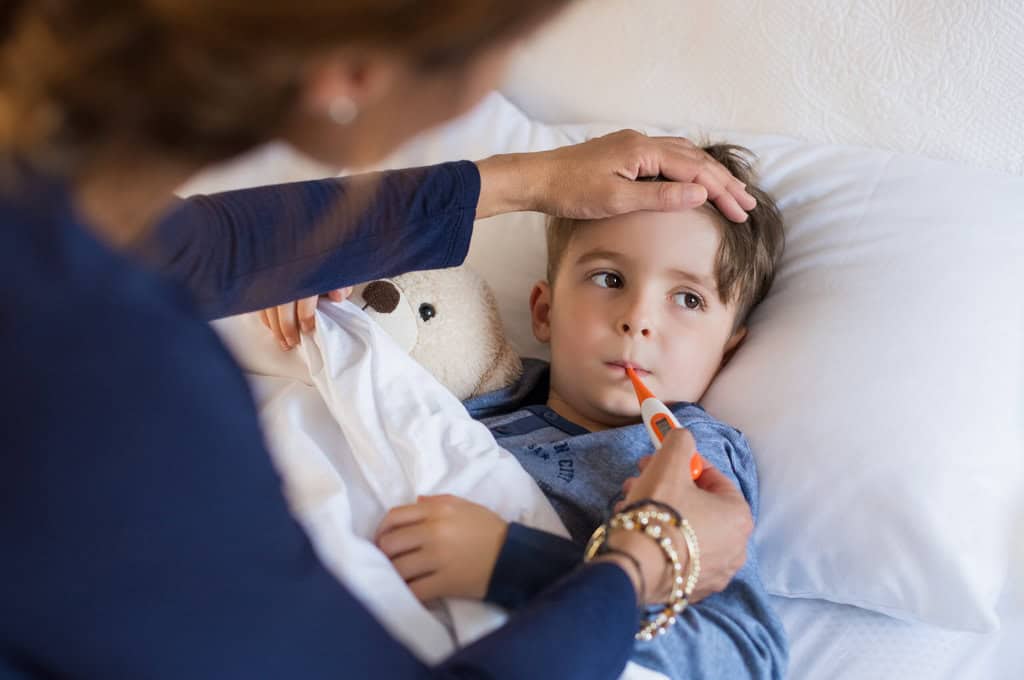
Battling the Bugs: Common Cold and Flu
These viral infections are practically a rite of passage for children. They spread easily through coughs, sneezes, and shared objects.
Symptoms
Common symptoms include runny or stuffy nose, sneezing, sore throat, cough, low-grade fever, and fatigue. These symptoms can be more intense, including body aches, headaches, and extreme tiredness. You may visit this link to learn more about your child’s flu symptoms.
Prevention
Frequent handwashing, covering coughs and sneezes, and getting annual flu shots are your best defenses against these common illnesses.
Treatment
There’s no cure for the common cold or flu, but plenty can be done to ease symptoms. Lots of rest, fluids, and over-the-counter pain relievers (with your paediatrician’s okay) can help your child feel better.
Earaches and Infections
Earaches are a common complaint among young children, especially after colds. When fluid builds up behind the eardrum due to a bacterial infection, it can cause pain and discomfort.
Symptoms
Earache (especially noticeable when lying down), fever, fussiness, difficulty sleeping, drainage from the ear.
Prevention
Breastfeeding, good handwashing, and avoiding secondhand smoke can help reduce the risk of ear infections, a common childhood illness.
Treatment
Earaches can be uncomfortable, but most resolve on their own within a few days. Your paediatrician may prescribe antibiotics if the ear infection is severe. Pain relievers can also help ease discomfort.
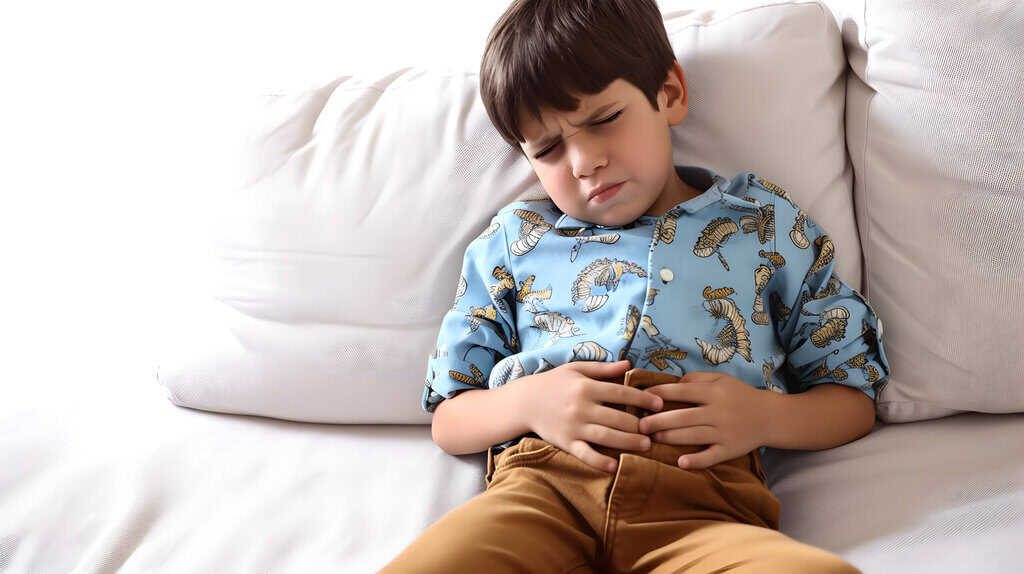
Tummy Troubles: Stomach Virus (Gastroenteritis)
This highly contagious illness causes vomiting, diarrhea, and dehydration. It’s often spread through contaminated food or water, or close contact with someone who’s sick with this stomach flu.
Symptoms
Vomiting, diarrhea, fever, abdominal cramps, dehydration (signs include dry mouth, decreased urination, and fatigue).
Prevention
Frequent handwashing and being cautious about consuming food or drinks that might be spoiled are key to preventing this common childhood illness.
Treatment
Re-hydration is crucial—offer plenty of fluids like clear broths. Avoid sugary drinks or solid foods that might irritate the stomach. Let your child rest and recover. If vomiting or diarrhoea is severe, consult your paediatrician for medical attention.
Strep Throat: A Bacterial Foe
This bacterial infection causes a sore throat, making it painful to swallow. Unlike a viral sore throat, strep throat often comes on suddenly.
Symptoms
Sore throat, fever, headache, swollen lymph nodes in the neck, white patches on the tonsils, and difficulty swallowing are common symptoms.
Prevention
Frequent handwashing and avoiding close contact with people who are sick can help prevent strep throat, a bacterial infection.
Treatment
Strep throat typically requires antibiotics to clear the infection and prevent complications. Your paediatrician will perform a rapid strep test to confirm the diagnosis.
Exploring Other Common Childhood Illnesses
This article has covered some of the most frequent childhood illnesses, but there’s more to explore! Let’s delve into other common conditions:
- Hand, Foot, and Mouth Disease (HFMD): This contagious illness causes a fever, mouth sores, and a characteristic rash on the hands and feet.
- Whooping Cough: This highly contagious respiratory illness is characterized by severe coughing spells. Vaccination is the best way to prevent whooping cough.
- Respiratory Syncytial Virus (RSV): This common respiratory virus can cause congestion, cough, and wheezing, especially in young children.
- High Fever: While a fever can be a sign of infection, it can also be the body’s natural response to fighting off illness. Consult your pediatrician if your child has a high fever that doesn’t subside within a day or two.
- Skin Infections: From diaper rash to impetigo, various skin infections can affect children. Good hygiene practices like frequent handwashing can help prevent their spread.
- Head Lice: These tiny, wingless insects can infest the scalp and hair. Early detection and treatment with medicated shampoos or lotions are crucial.
- Urinary Tract Infection (UTI): This bacterial infection affects the urinary system and can cause burning with urination, frequent urination, and abdominal pain. UTIs are more common in older children, especially girls.
- Sinus Infection: This upper respiratory infection causes inflammation and congestion in the sinuses. Symptoms can include facial pain, pressure, headache, runny nose, and cough.
If you notice any of these symptoms in your child, seek medical attention from your paediatrician. They can diagnose the specific illness and recommend the best course of treatment for your child.
Tips for Keeping Your Child Healthy
Many common childhood illnesses are contagious. Here are some essential tips to help prevent the spread of germs and keep your child healthy:
- Vaccinations: Getting recommended childhood vaccinations is one of the best ways to protect your child from serious illnesses.
- Frequent Handwashing: Proper hand hygiene is essential to prevent the spread of germs and common childhood diseases.
- Healthy Diet: A balanced diet rich in fruits, vegetables, and whole grains helps strengthen your child’s immune system.
- Adequate Sleep: Sufficient sleep allows your child’s body to rest and recover, boosting their immune system.
- Minimize Screen Time: Encourage active play and limit screen time to promote overall health and well-being.
- Ear Pain: Ear pain can be caused by various factors, including ear infections, swimmer’s ear (otitis externa), and objects lodged in the ear. If your child experiences ear pain, seek medical attention to determine the cause.
when in doubt, always consult your paediatrician for professional medical advice. With a little knowledge and preventative care, you can build a strong defence for your child’s health and well-being!
Final Thoughts
While common childhood illnesses are inevitable, with the right knowledge and preventive measures, you can help your child stay healthy and navigate these common health challenges. Remember, this guide is a starting point. If you have any questions or concerns about your child’s health, don’t hesitate to reach out to your paediatrician for medical attention.
You might also like…


Leave a Reply