
















You might find yourself intrigued by the Isle of Wight’s layered history, where each era has left a distinctive mark. Imagine walking through the remnants of Roman villas or the ruins of medieval castles that once hosted royalty.
Consider how Victorian luminaries like Dickens and Tennyson drew inspiration from this picturesque island. Now, think about its strategic role during 20th-century conflicts and how it pivots to a hub of modern cultural festivities.
Each period offers a unique lens through which to view the island, perhaps challenging what you thought you knew about this small but significant part of the world. What might you uncover about its influence and legacy? Discover the rich heritage of the Isle of Wight.
Roman Roots and Ancient Invaders
The Isle of Wight’s history begins with its Roman conquest and subsequent invasions that shaped its early cultural landscape. Imagine walking the same paths where Romans once marched, their legacy etched into the soil you tread.
You’re part of this island’s story, woven through the remnants of ancient forts and the tales of those who lived here long before.
When you explore these sites, you’re not just a visitor but a witness to centuries of history that connect you to a shared past.
If you are looking for good places to stay on the Isle of Wight, you may keep searching here to find the ancient forts and others.
Each stone and artifact tells a story of resilience and transformation, inviting you to be a part of this continuous thread. Embrace this connection, and you’ll find a deeper sense of belonging in the rich tapestry of the Isle of Wight.
Medieval Castles and Royal Visitors
As you wander from the ancient Roman paths, you’ll encounter the majestic medieval castles that once hosted kings and queens on the Isle of Wight. Imagine the clatter of hooves and the rustle of silk gowns as royal figures such as King Charles I graced these halls.
Carisbrooke Castle, where Charles was imprisoned, is a tribute to the island’s strategic importance and its role in past power struggles.
Victorian Era and Literary Inspirations
Stepping into the Victorian era, you’ll discover the Isle of Wight’s profound influence on literary giants like Charles Dickens and Alfred, Lord Tennyson.
As you explore this charming island, imagine Dickens crafting characters while gazing out at the tranquil sea, an endless source of inspiration.
Tennyson, too, found solace and creativity in the island’s serene beauty, penning much of his poetry in the quietude of his Farringford House residence.
20th-Century Conflicts and Contributions
You’ll find that the Isle of Wight played a pivotal role in key 19th-century conflicts, shaping its heritage and contributions greatly.
This small island, nestled off the south coast of England, profoundly impacted broader historical events, making its mark not just locally but globally.
To deepen your connection, consider these facts:
1. Military Innovations
2. Strategic Importance
3. Cultural Resilience
Modern Festivals and Cultural Celebrations
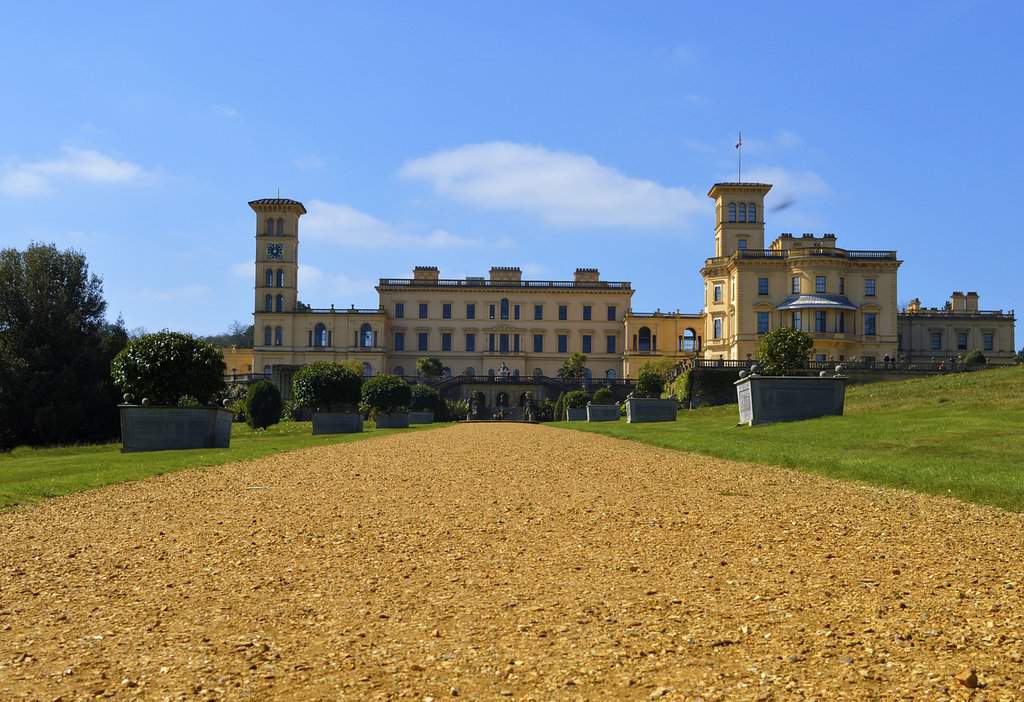
Today, the Isle of Wight bursts with vibrant festivals and cultural celebrations that connect everyone to its rich artistic heritage. Whether you’re grooving at the Isle of Wight Festival, a legendary music event that draws global icons and music lovers alike, or immersing yourself in the historical echoes at the Victorian Christmas at Osborne House, you’re part of a tradition that spans decades.
The Garlic Festival and the Walking Festival offer unique experiences where you can meet locals and visitors who share your enthusiasm for culture and community.
Conclusion
So, you’ve journeyed through the Isle of Wight‘s tumultuous history, from sword-wielding Romans to castle-dwelling royals.
You marveled at Victorian literary giants crafting masterpieces probably just to escape the dreary weather.
You’ve seen it morph from a war strategist’s dream in the 20th century to today’s festival hotspot.
Congratulations, you’re practically a local historian ready to rock a medieval tunic or pen a moody poem at the next sun-drenched, history-soaked festival.
Who says the past isn’t a blast?


Leave a Reply