
















When approaching or entering the winter, there are various jobs you should at least consider doing around the home. Let’s dive in!
1. Gutter Cleaning
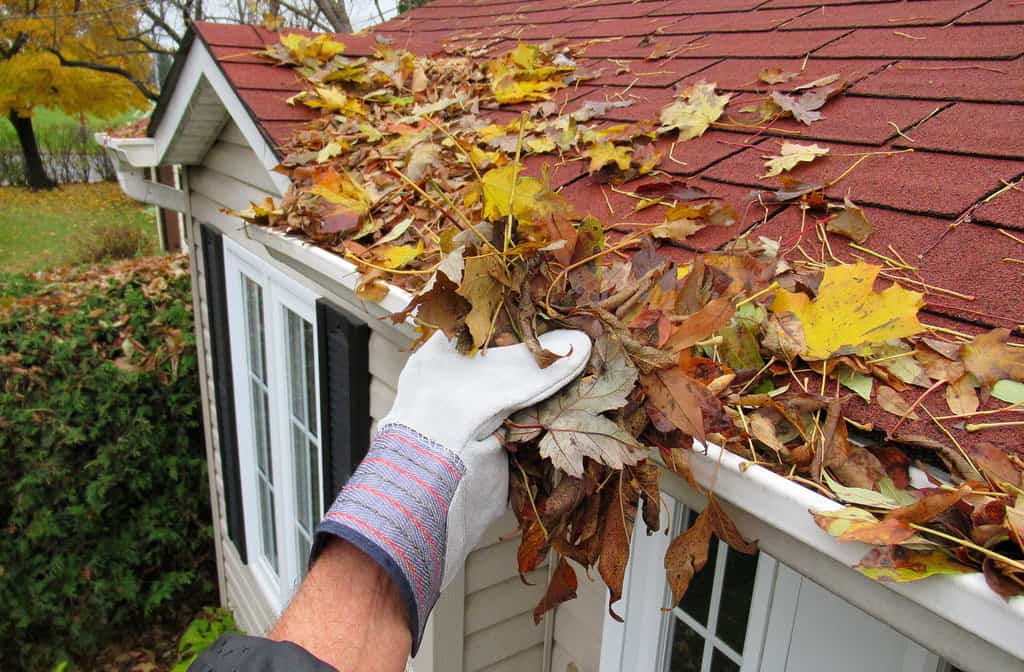
One job you can undertake DIY before the winter is to clean your guttering. Of course, as with virtually any of the tasks discussed here, you should only take on the work yourself if you’re sure of what’s involved and take all necessary safety precautions.
To clean your guttering, take the following steps:
- Set up a ladder and ascend it while a second person holds the ladder from the bottom to ensure your safety.
- Wear gloves and take a bucket up with you. You might also wish to take a garden trowel or gutter scoop up.
- With the second person continuing to hold on to the ladder, either scoop up gutter debris or with the gloves remove the gutter debris by hand. Place the debris in the bucket (or a plastic bag).
- Descend the ladder with the debris and put it in a compost bin or compost heap (assuming it is all organic material, of course).
- You need to make a few trips up and down the ladder (again with a second person holding it at all times when you’re working on the ladder), you may want to wash the gutters down with a garden hose too. However, it’s essential that the garden hose is not too powerful for the type of guttering you have. If in doubt, leave it or consult with a professional.
2. Gardening Work
Before the winter, you should also take time to do some gardening. Some of the tasks you may want to undertake DIY in your garden at this time of year includes removing dead plants and fallen leaves.
You may also want to add de-icing salt to specific areas of your garden(s) such as any walking surfaces on your property. While you should consider applying de-icing salt for safety, it’s important not to overuse it as de-icing salt applied to many surfaces can cause damage due to how they chemically interact with snow and ice.
3. Maintain Paintwork
It’s also worth taking steps to maintain your home’s exterior paintwork at this time of year. Measures to consider include removing loose flakes of paint on woodwork.
Once you’ve done this, you’ll want to rub down the area before applying a new undercoat and a fresh coat of paint. It’s important to undertake this work on one of the warmer and drier days of the winter time as, obviously,trying to remove loose paint flakes before adding an undercoat of new coat of paint is not a suitable task to undertake in cold and wet weather.
4. Draught-Proofing Measures
Draught-proofing is important to help keep your home warmer through the winter months. Here are some common draught-proofing ideas:
- Door draught-stoppers
- Draught-proofing strips for windows
- Flexible fillers or decorator’s caulk for flooring and skirting boards
5. Test Carbon Monoxide and Smoke Alarms
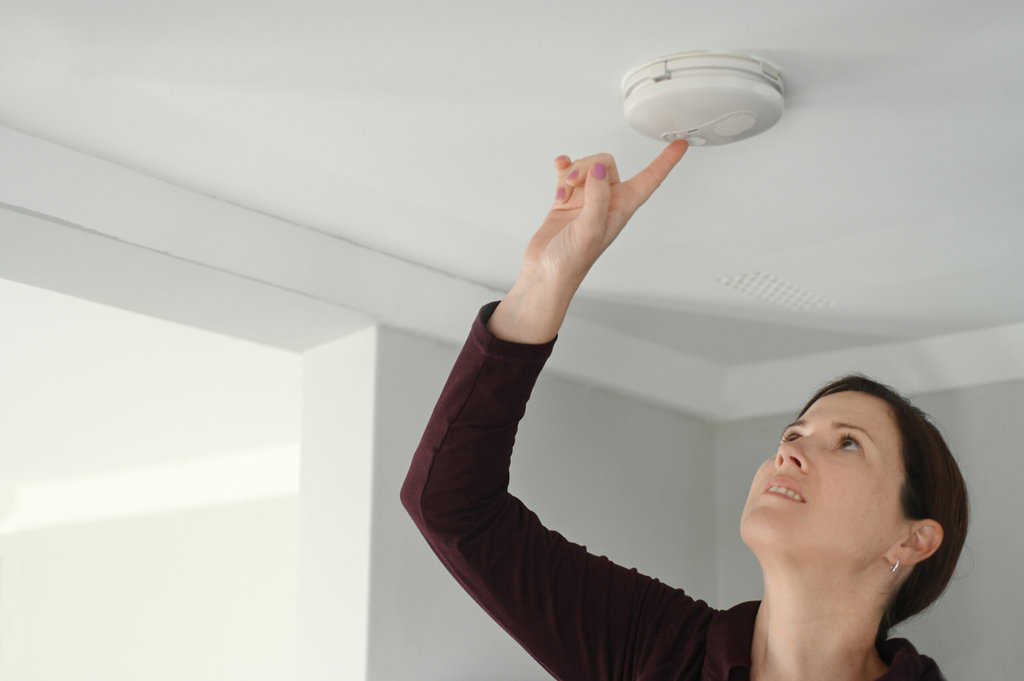
You’ll also want to ensure you test your carbon monoxide detectors and smoke alarms before the winter.
In fact, in general, you should test your carbon monoxide and smoke alarms at least once a month, if not once per week.
Performing these tests can help keep you and everyone in your home safe, particularly as in the winter time you will be using your gas boiler (assuming you have a gas boiler) more than you usually do.
6. Repressurise Your Boiler
Speaking of boilers, one of the few things you can do to improve your heating system DIY is to repressurise your boiler’s water pressure (i.e. ‘top it up).
In order to do this, follow the manufacturer’s instructions to a T. Obviously you should only do this if it’s necessary (i.e. if your boiler’s water pressure is too low).
By doing so, you can get your boiler’s water pressure up to the right level which will likely be between 1 and 2 bars, however, you should double check with the manufacturer’s instructions as to what the ideal range is for your specific boiler.
7. Bleed Radiators
Another measure to consider undertaking DIY is that of bleeding your radiators. This is a process that involves removing air pockets from within your radiators. Doing so can, in turn, help maintain the energy efficiency of your radiators.
As with repressurising a boiler, bleeding radiators can be undertaken DIY but only by following the manufacturer’s instructions very carefully.
What’s more, bleeding radiators can lower a boiler’s water pressure. Therefore, you may need to repressurise your boiler after bleeding your radiators.
8. Re-Caulking Doors and Windows
Re-caulking doors and windows can help keep the heat in during the winter time while also keeping the cold out.
Once more, only perform this work DIY while following the manufacturer’s instructions carefully and if you’re sure you have the right skills and knowledge to do so.
9. Repair Gates and Fencing Where Needed
If you have any broken or damaged gates or/and fencing, this could make for a good time to repair them.
Be sure to follow the manufacturer’s instructions and take protective measures (e.g. wearing safety gloves) when attempting to repair gates or/and fences. Some of the work may be possible DIY, while other repairs will necessitate the work of a professional.
10. Clean Mossy Paving
If you have a mossy paving, you can use a DIY-friendly product and follow the instructions carefully in order to remove moss from the paving. This can help make for cleaner and more visually appealing surfaces ahead of the winter. Additionally, consider professional driveway paver installation to ensure your driveway withstands harsh weather conditions and avoids damage from freezing and thawing.
Cost of Hiring a Professional
You may be thinking of hiring a handyman or another suitable professional (depending on the work in question) for one or various small jobs around the home before winter.
If so, you’re looking at spending somewhere in the region of £10 to £40 per hour in labour costs. Supply costs may or may not also apply. Either way, the total price you’ll pay will ultimately depend on a range of factors including where exactly in the UK you are located (as labour prices vary throughout the UK).


Leave a Reply